
Thuringia Mobility Forum 2026
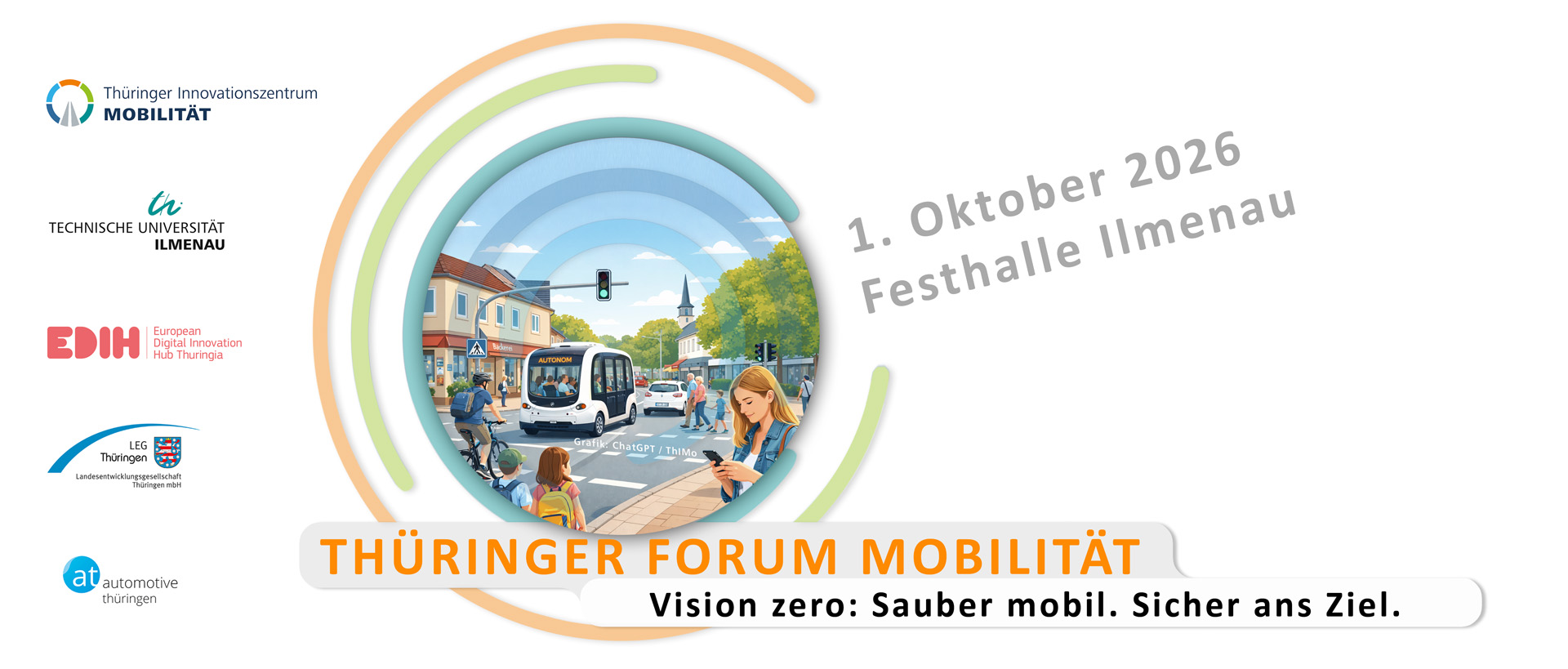
As the Thuringian Innovation Center at TU Ilmenau, we have been organizing the Thuringia Mobility Forum—a flagship event for innovations in mobility and transport—every two years since 2011, in collaboration with partners from industry, academia, and state institutions. The eighth edition of the forum will take place on October 1, 2026, at the Parkcafé of the Festhalle Ilmenau, under the motto:
Vision Zero:
Clean mobility. Safe arrival.
This highly topical theme addresses the challenges and opportunities associated with electrification, automation, digitalization, and connectivity, encompassing both environmental sustainability and traffic safety. Featuring keynote speeches from industry and academia alongside other program elements, the forum fosters lively exchange, networking opportunities, and a creative exchange of ideas.

Exhibitor
Program
09:00 Arrival of guests and participants
09:30 Opening and welcome addresses
Thuringian Ministry for Economic Affairs, Agriculture and Rural Areas
Dr. Tobias J. Knoblich
State Secretary, Thuringian Ministry for Digital Affairs and Infrastructure
Representatives from the district, city, university and the Thuringian Innovation Center for Mobility
10:15 Keynotes
Andreas Rade
Managing Director, German Association of the Automotive Industry (VDA)
The Automotive Industry in Transition – Opportunities and Requirements for Success
Susanne Schulz
Die Autobahn GmbH des Bundes (Federal Motorway Company),
Head of Cooperative, Connected, and Automated Mobility/Traffic Management, Operations and Traffic
Coffee break
Dr. Ingo Düring
Chamber of Engineers Saxony, Expert on air pollutant emissions and immissions
Air Pollutant Limit Values 2030+: Rethinking Clean Mobility – The Interplay of Technology, Traffic Flow, and Environmental Management
Anke Koller
Head of Transport Development and Mobility Strategies, Free and Hanseatic City of Hamburg
Mobility Transition in Hamburg
12:30 Lunch break
13:30 Specialist presentations from industry and academia
Alexander Moser-Haas
Head of Policy and Transport Affairs, German Road Safety Council (DVR)
Thomas Kraus
PWP Systems
Emission Reduction through Traffic Modeling, Planning, and Control
Dr. Sanwardhini Pantawane
Valeo Schalter und Sensoren GmbH
Joint Project CONTROL – Controlling Risk for Highly Automated Transportation Systems Operating in Complex Open Environments
15:00 Networking forum and exhibition
Start-ups and companies introduce themselves.
ThIMo presents projects and research vehicles.
16:00 Keynote & Panel Discussion
16:45 Networking
18:00 Wrap-up and Closing Remarks
We would like to thank Regionalmanagement Thüringer Bogen for supporting our event!
Our Keynotes
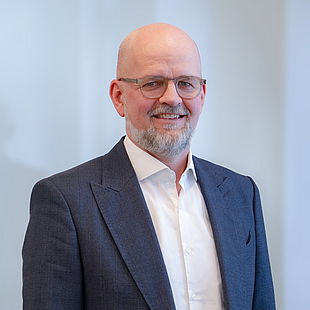
Andreas Rade
German Association of the Automotive Industry (VDA)
Managing Director, Politics & Society Department
Andreas Rade (holder of a degree in political science), born in Bassum in 1967, has served as Managing Director of the German Association of the Automotive Industry (VDA) since January 2022. He is responsible for the "Politics and Society" division. This encompasses fundamental issues, matters relating to the economic cycle and business location, as well as policies concerning SMEs and foreign trade. The transformation of the automotive industry is a key focus within the areas of climate, sustainability, and transport. The VDA offices in Brussels and Beijing also fall under his division.
The Automotive Industry in Transition – Opportunities and Requirements for Success
The automotive industry is investing in the ramp-up of electromobility and requires the right framework conditions to do so. At the same time, it is evident that European legislation needs to adopt a more flexible approach in order to achieve industrial policy goals. Furthermore, geopolitical conditions and the competitive landscape in key target markets have shifted significantly. Manufacturers and suppliers alike must navigate these changes and adjust their strategies accordingly. Small and medium-sized industrial enterprises, in particular, play a vital role in the regions—a fact that calls for a policy response.
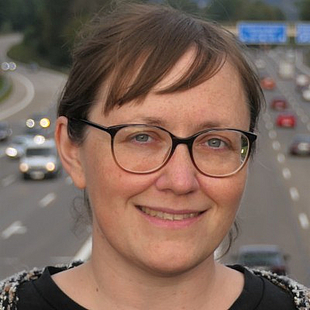
Susanne Schulz
Die Autobahn GmbH des Bundes,
Head of Cooperative, Connected, and Automated Mobility
Susanne Schulz heads the Cooperative, Connected, and Automated Mobility department at Autobahn GmbH’s headquarters and is responsible for the development, rollout, and operation of C-ITS services—including their standardization and European harmonization—on motorways. Her responsibilities also include devising and developing the approval process for operational areas for Level 4 autonomous vehicles on motorways, in accordance with the legislation on autonomous driving.
The highway thinks for itself – on the way to networked and autonomous driving
The development of new technologies means that roles change, new ones are added and boundaries become blurred. When it comes to the topics of networking and autonomous driving in mobility, this means that the two worlds of vehicle and road are merging. There needs to be a lot of understanding on both sides here. Because the functions and working methods are fundamentally different. Nevertheless, we must manage to build a common, interdisciplinary collaboration here. Everything for more road safety and a digital mobile future. This means thinking along the lines: in the distribution of roles, in technical understanding, in setting up and introducing new processes. And ideally at a European level and at the same time within your own company and always with an eye on external partners.
The lecture shows milestones in the field of cooperative intelligent transport systems (C-ITS) that we have already achieved and what experiences we can use from this to implement the legal obligations for autonomous driving.
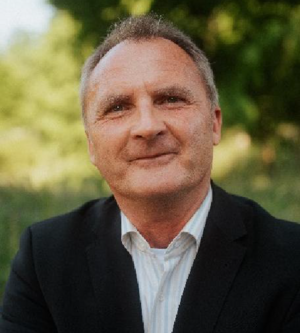
Dr. rer. nat. Ingo Düring
Lohmeyer GmbH, Dresden Branch
Dr. Ingo Düring has been with Lohmeyer GmbH since 1994. His work focuses on air quality control in the context of road traffic. He serves on numerous expert committees, including the VDI working group on "Quality Assurance in Immission Modeling – Vehicle-Related Immissions." Since 2013, he has been an officially appointed and sworn expert for air quality control (air pollutant emissions and immissions) and microclimate, certified by the Chamber of Engineers of Saxony (formerly IHK Dresden).
Air Pollutant Limit Values 2030+: Rethinking Clean Mobility – The Interplay of Technology, Traffic Flow, and Environmental Management
The revised EU Air Quality Directive (2024) significantly tightens air quality requirements for European cities and presents new challenges for the transport sector. In addition to conventional exhaust emissions, non-exhaust sources—such as brake, tire, and road wear—are increasingly coming into focus. At the same time, measurements and modeling indicate that nitrogen dioxide (NO₂) and particulate matter levels in urban areas remain heavily influenced by road traffic.
This presentation provides an overview of the EU Air Quality Directive, contextualizes it within current knowledge regarding traffic-related emissions and urban air quality, and discusses effective measures for compliance with limit values. These measures include technological developments—such as lower-emission powertrains and improved braking systems—as well as the reduction of non-exhaust particulate emissions and strategies to improve traffic flow. A particular focus is placed on innovative control strategies using environmentally sensitive traffic management systems and on practical examples demonstrating how the interplay of vehicle technology, traffic control, and strategic planning can sustainably improve air quality and meet ambitious EU targets.
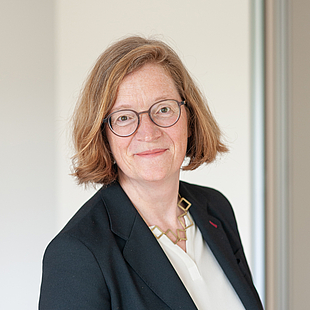
Anke Koller
Free and Hanseatic City of Hamburg, Authority for Transport and Mobility Transition
Head of Department for Transport Development and Mobility Strategy
In her role, Anke Koller is responsible for strategic concepts and innovative approaches aimed at the sustainable development of Hamburg’s urban transport system. Her work focuses on shaping future-oriented mobility that integrates ecological, technological, and societal requirements. She deals in particular with topics such as sustainable transport planning, the digitalization and interconnection of mobility services, the electrification of transport, and the promotion of safe and efficient transport systems.
Mobility Transition in Hamburg
Hamburg’s mobility transition exemplifies the profound transformation of urban transport systems in the 21st century. The Hanseatic city pursues an integrated approach that combines technological innovation with sustainable urban development. Key areas of focus include the electrification, automation, digitalization, and connectivity of transport. Electrifying public transit, municipal vehicle fleets, and private transport is a central strategy for reducing CO₂ emissions and air pollutants. At the same time, intelligent assistance systems and autonomous mobility solutions open up new possibilities for more efficient and safer traffic flow. Data-driven, connected transport systems provide real-time information for intelligent traffic management and user-oriented mobility services that interact in a flexible, intermodal, and resource-efficient manner.
This presentation examines the opportunities and challenges associated with these transformation processes, focusing in particular on Hamburg’s role as a model city for sustainable and intelligent mobility.
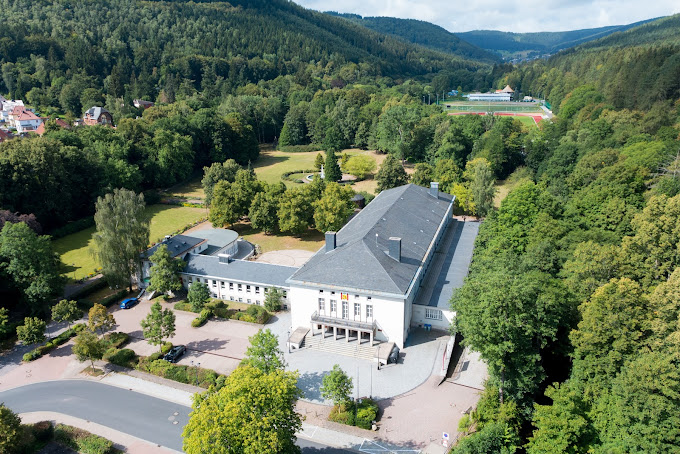
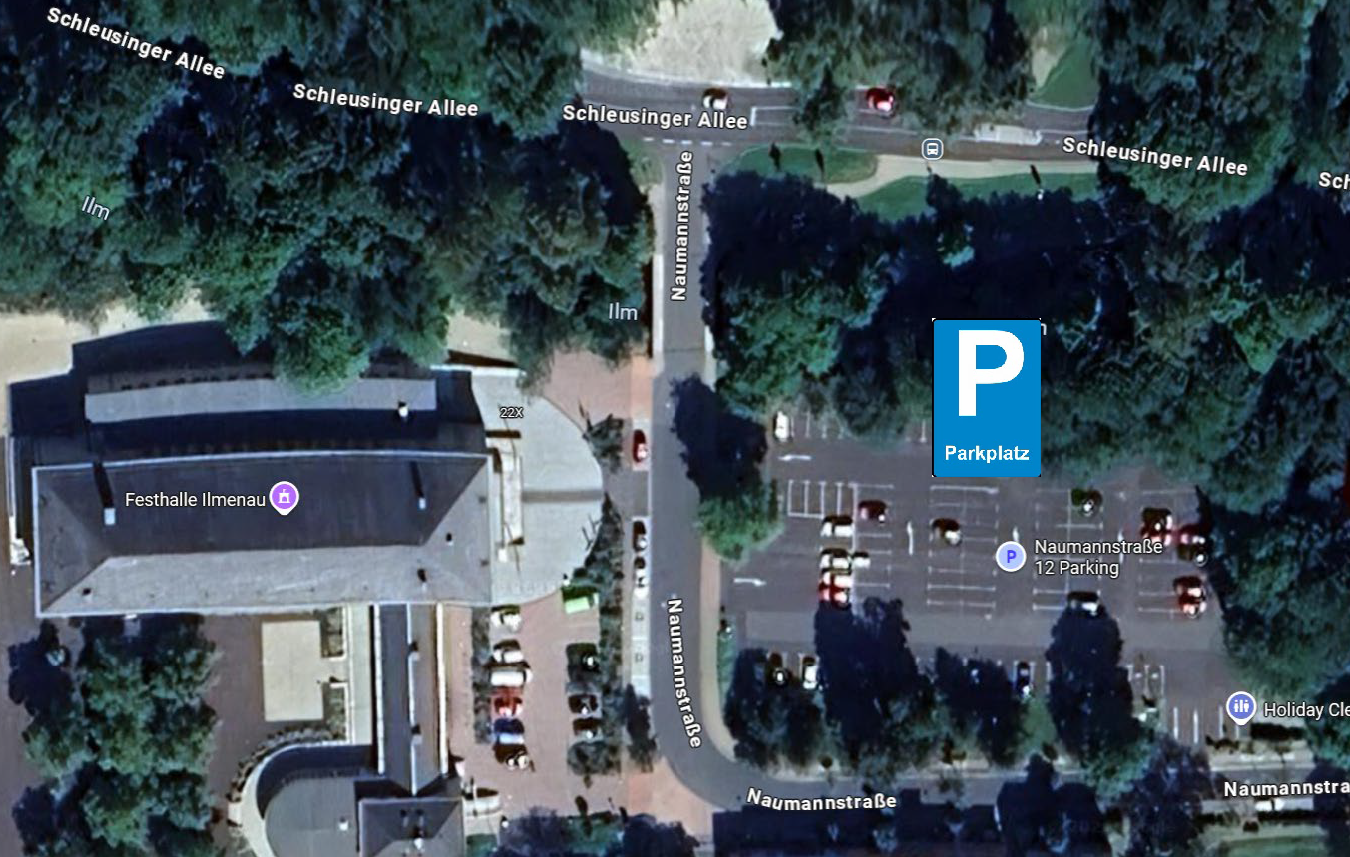
Conference venue
Ilmenau Festival Hall
Naumannstraße 22, 98693 Ilmenau
 |  |
